
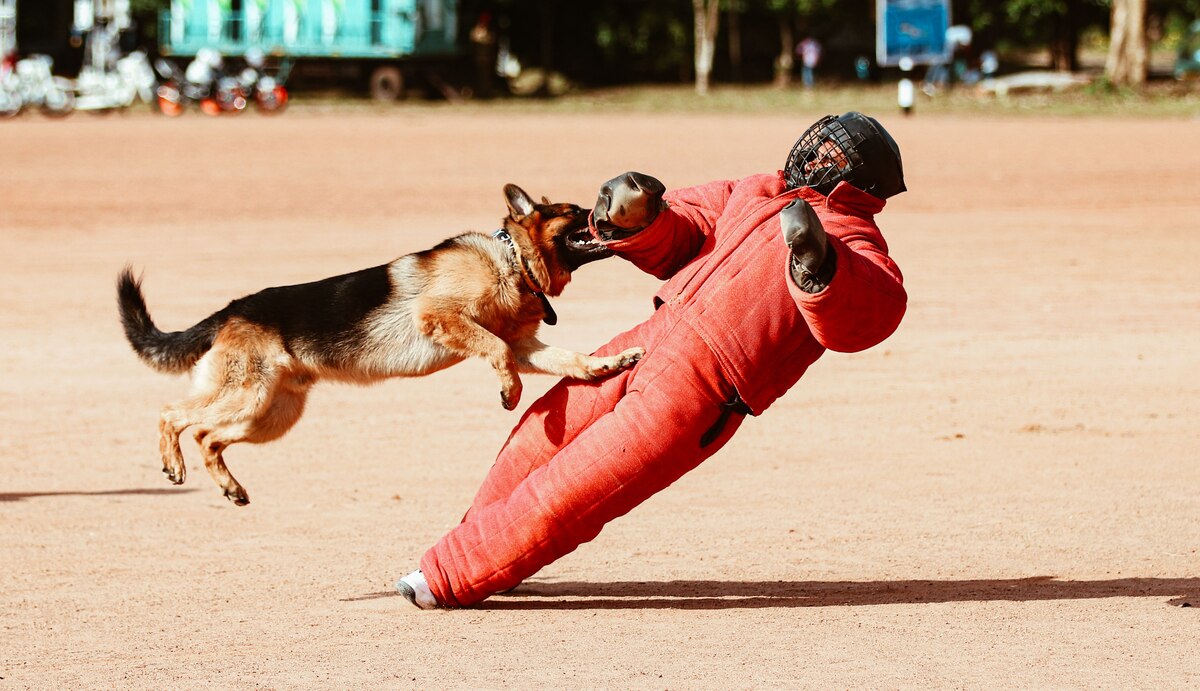
High-risk security environments place significant demands on working dogs. Not every dog can meet those demands. A suitable security dog must remain reliable under pressure because operational effectiveness depends on consistency, control, and sound decision-making. Physical appearance alone does not determine suitability. Large dogs may appear intimidating, yet security work requires far more than size. Professional K9 programmes evaluate specific traits because each one contributes directly to operational performance.
Confidence Supports Reliable Decision-Making
Confidence allows a dog to work effectively in unfamiliar situations. Security operations often involve loud noises, crowded areas, and rapidly changing conditions. A confident dog remains focused while environmental pressure increases. Dogs that lack confidence often react unpredictably under stress. Operational reliability suffers as hesitation or fear begins to influence behaviour. Confidence remains essential because security teams depend on consistent responses in every environment.
Stability Maintains Performance Under Pressure
High-risk situations can change without warning. A suitable security dog maintains composure while pressure levels rise. The dog continues working while distractions, movement, and external stimuli compete for attention. Without stability, operational reliability declines quickly. Dogs must process information calmly while handlers assess developing situations. Stability allows the dog to perform the task rather than react to surrounding distractions.
Drive Creates Motivation to Work
Drive refers to a dog’s willingness to engage with a task and remain committed to it. Security dogs require a strong drive because operational work often demands persistence over extended periods. A dog with sufficient drive continues working while conditions become more challenging. Tracking, searching, and protection tasks require sustained effort. Performance remains consistent because motivation does not disappear when pressure increases.
Trainability Ensures Operational Control
Natural ability provides a starting point, yet training determines whether that ability can be used effectively. Suitable security dogs respond to instructions while maintaining focus on the handler. Trainability supports operational control because handlers must direct behaviour at all times. Clear communication develops through structured training, while consistent responses improve overall team effectiveness.
Physical Capability Supports Operational Demand
Security work places physical demands on both dogs and handlers. Suitable dogs require endurance, agility, and overall fitness because operational environments often involve long working periods and changing terrain. Physical ability supports performance while other traits determine how effectively those physical capabilities are used. Endurance allows the dog to continue working while agility supports movement through challenging environments.
The Handler Partnership Remains Critical
Even highly capable dogs cannot operate effectively without a strong handler relationship. Trust develops through training, while communication improves through experience. The partnership strengthens decision-making and supports reliable performance in operational environments. Successful deployments depend on teamwork because handlers and dogs must function as a coordinated unit. Strong partnerships improve control while reducing uncertainty during high-pressure situations.
Final Thoughts
No single trait determines whether a dog is suitable for high-risk security work. Confidence, stability, drive, trainability, physical capability, and handler engagement all contribute to operational effectiveness. At Kwamandla, working dogs are assessed against these requirements because successful security operations depend on reliability. The right combination of qualities produces a dog that can perform consistently while maintaining control in demanding environments.