
7 Common Mistakes New K9 Handlers Should Avoid
September 4, 2026
Why Obedience Training Is Important for Every Dog
September 30, 2026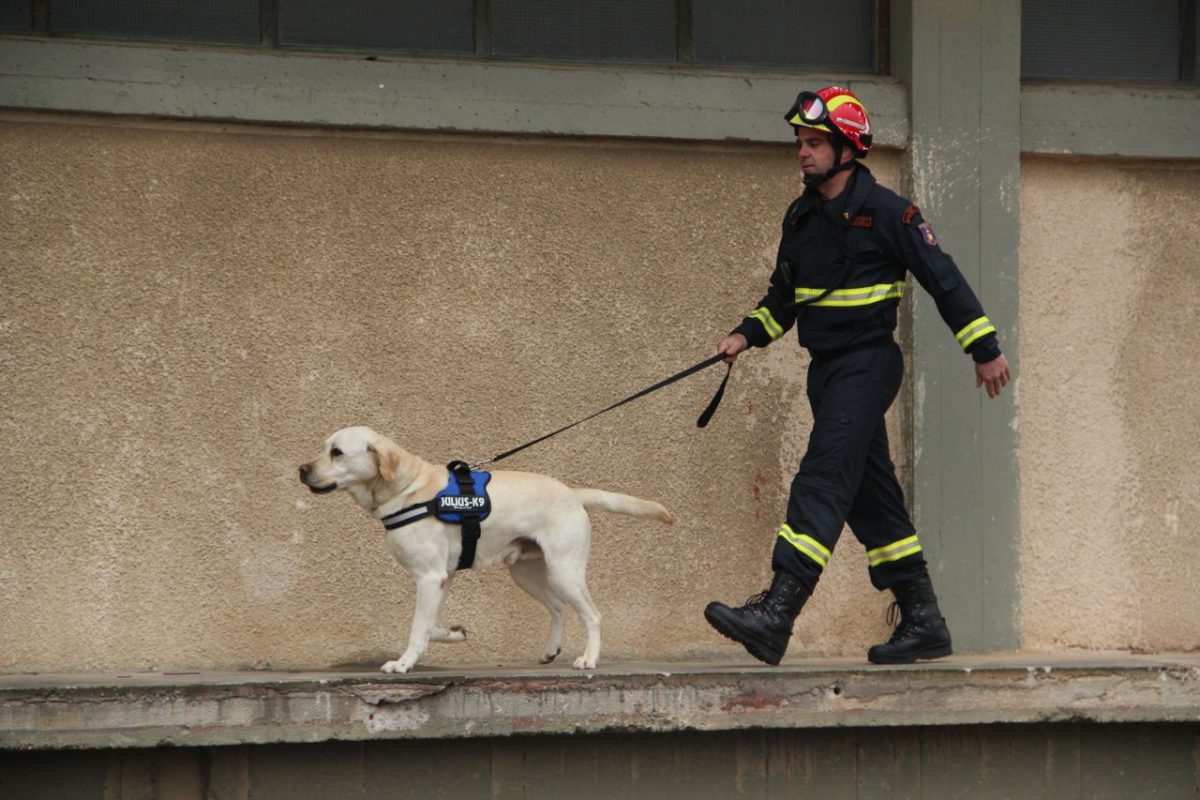
K9 detection work covers far more than finding drugs or explosives. Specialist dogs are used to locate prohibited goods, support security operations, protect wildlife and assist with specialised searches. Each type has a different purpose, working environment and training focus. In South Africa, these roles can be found across private security, law enforcement, border control, correctional services and wildlife protection.
Explosives Detection Dogs
Explosives detection dogs are used where an unattended threat could have serious consequences. They can be deployed for venue sweeps, vehicle checks, building searches and security operations before major events. Airports, stadiums, government facilities, corporate sites and VIP movements are among the environments where explosives detection may form part of a wider security plan. The dog and handler work as a team, with the handler interpreting the dog’s alert and managing the search.
Narcotics Detection Dogs
Drug detection is one of the best-known K9 roles. Dogs may be trained to detect substances including cannabis, cocaine, heroin and methamphetamine, depending on their programme. Private security companies can use narcotics dogs for workplace and school searches, as well as operations at mines, warehouses and logistics facilities. Correctional facilities also use drug detection as part of efforts to prevent prohibited substances from entering or circulating within their premises.
Firearms and Ammunition Detection Dogs
Firearms and ammunition detection has particular relevance in South Africa, where illegal weapons are a concern for both private and public security. These K9s can be used to locate concealed firearms or ammunition during searches of vehicles, buildings and other controlled areas. They’re particularly relevant where security teams need to identify weapons that may have been deliberately hidden rather than openly carried.
Currency Detection Dogs
Currency detection is a more specialised category and isn’t part of every commercial K9 operation. These dogs are trained to locate banknotes and can assist during searches where substantial amounts of cash may have been concealed. The application is particularly relevant to certain investigations and cash-security work, including environments connected to cash-in-transit operations.
Contraband and Agricultural Detection Dogs
Not everything being moved illegally is a weapon or narcotic. Detection dogs can also be trained to identify restricted agricultural products and other prohibited goods. These K9s may work at border crossings, ports and logistics facilities, where cargo, vehicles and luggage can contain items that aren’t immediately apparent. The dog’s training is tailored to the specific products or contraband it needs to identify.
Wildlife Detection Dogs
South Africa has another important K9 application: protecting its wildlife. Specialist dogs can assist with locating wildlife products involved in illegal trade, including rhino horn, ivory and pangolin scales. Other K9s are trained for anti-poaching work, where tracking a suspect through a reserve becomes the priority. Detection and tracking are different disciplines, but both have become important tools in protecting wildlife and investigating wildlife crime.
Medical Detection Dogs
Medical detection is a specialist field outside conventional security work, but it demonstrates how varied detection training can be. Dogs can be trained to recognise changes associated with certain medical conditions and alert their handlers. This work requires a very different training approach from security detection and isn’t a standard service offered by commercial security K9 companies in South Africa.
Patrol and General-Purpose K9s
Patrol dogs aren’t detection dogs in the strict sense, but they’re often included when discussing commercial K9 services. They’re trained for duties such as deterrence, tracking and apprehension and are commonly used by guarding and armed-response companies. Belgian Malinois and German Shepherds are among the breeds frequently used for these demanding roles, although the dog’s training and suitability matter far more than breed alone.
Different Jobs Require Different K9s
There’s far more to K9 detection than a dog searching for a hidden substance. Each category has its own purpose, training requirements and working environment. In South Africa, that ranges from protecting people and property to supporting investigations and protecting wildlife. Together, these roles show just how broad and important the work of a professional K9 can be.