
Buying a K9: What You Need to Know Before You Commit
October 14, 2026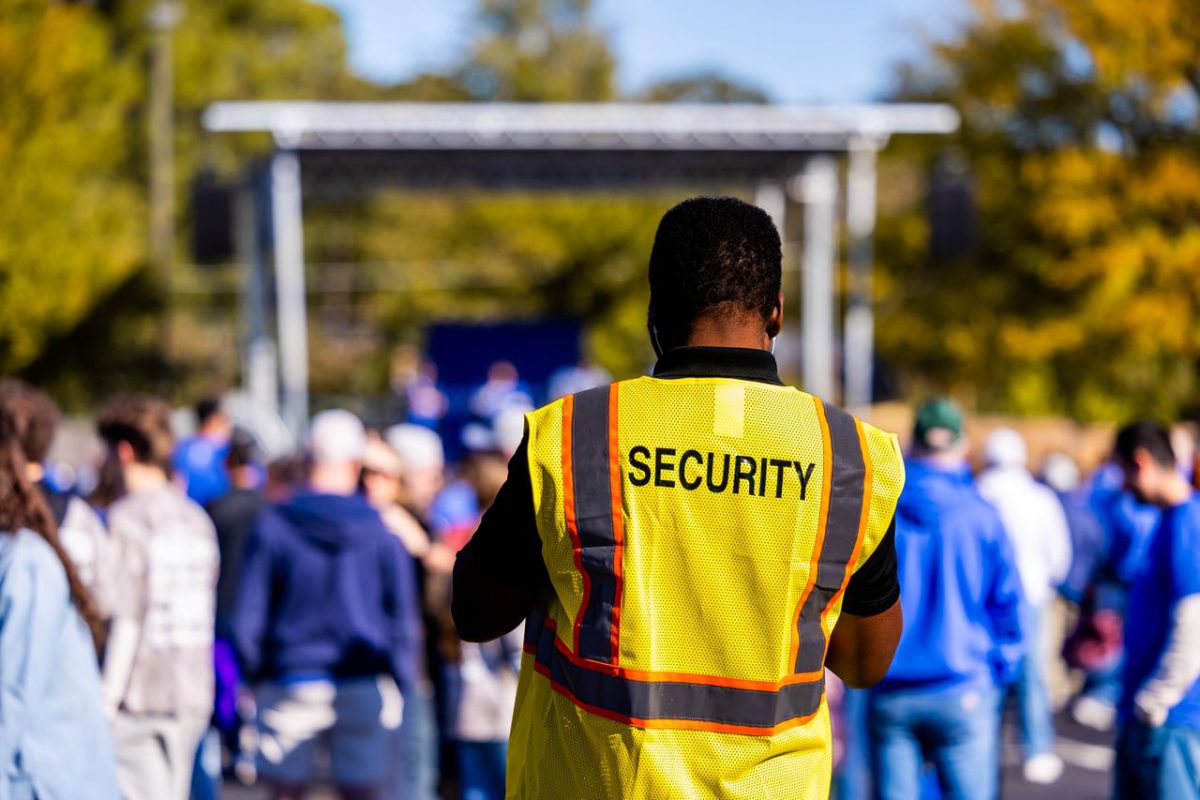
When organising a large event, there’s a lot to coordinate, from vendors and entertainment to parking and crowd management. Security can easily become another item on the checklist, but the real challenge is making sure everything works together once the venue fills up. A plan that looks fine on paper may have gaps when deliveries arrive, queues build up or thousands of people start heading for the exits at the same time.
Look Beyond the Main Entrance
Entrance control is an obvious priority, but it’s only one part of the venue that needs attention. Delivery gates, equipment storage areas, temporary fencing and less visible sections of the perimeter can all present security challenges, particularly at outdoor events. Before the event, walk the site with the security provider to identify access points, restricted areas and places that need regular monitoring. Depending on the venue and its risk profile, this may also be an opportunity to consider whether mobile patrols or trained K9 teams would add value to the security arrangements.
Think About Where Crowds Will Gather
People don’t spread themselves evenly across an event. They gather around stages, food stalls, entrances and popular attractions, sometimes creating queues or blocking walkways without realising it. Organisers should consider these pressure points when deciding where security staff need to be positioned, particularly during busy periods and at closing time. Clear exits, accessible emergency routes and staff who know how to respond to overcrowding can make a real difference when large groups are moving at once.
Make Sure Everyone Knows Their Role
A security team needs more than enough people on site. Staff must know which areas they’re responsible for, how to report an incident and who makes decisions when something goes wrong. Some may be assigned to entrances, while others monitor the grounds or conduct patrols. Where specialist services, such as K9 units, are included, their responsibilities should be agreed beforehand and suited to the team’s training. Clear roles help prevent gaps in coverage and confusion during an incident.
Have a Plan for Unexpected Situations
A missing child, a medical emergency, a disturbance or severe weather can quickly change the demands on an event team. Organisers should establish how incidents will be reported, who coordinates the response and how emergency services can reach the site. Staff also need a reliable way to communicate if an entrance closes or an area needs to be cleared. These arrangements are worth discussing before the event, rather than trying to work them out over the radio in the middle of a busy afternoon.
Don’t Leave the Details Until Event Day
Security planning involves more than deciding how many guards to hire. The layout of the venue, expected attendance, event schedule and specific risks all affect the arrangements needed. A site inspection and pre-event briefing give organisers and security personnel a chance to identify problems, clarify responsibilities and make adjustments before guests arrive. It’s much easier to address a poorly covered access point or an obstructed emergency route while the venue is still being prepared. The aim isn’t to plan for every imaginable problem, but to recognise realistic risks and make sure the people responsible for security know what to do.