Why Early Confidence Supports Better Obedience in Working Dogs
August 21, 2026
Explosive detection dogs protect people and infrastructure in environments where accuracy matters most. They work in security operations where every decision carries weight, and there is no room for error. These dogs are treated as trained operational partners that support real-world security demands.
How Detection Dogs Identify Hidden Threats
Detection dogs identify explosive compounds through scent discrimination that focuses on specific chemical signatures. They do not generalise smells and instead lock onto trained target odours with precision. Handlers guide them through structured search patterns, while reinforcement keeps responses consistent under pressure. They adapt to complex environments in real time, which allows them to work in vehicles, cargo areas, open ground, and crowded spaces. Their performance remains stable because training conditions prepare them for distraction-heavy settings. Accuracy depends on repetition, handler communication, and controlled exposure during training phases.
Training That Builds Control and Consistency
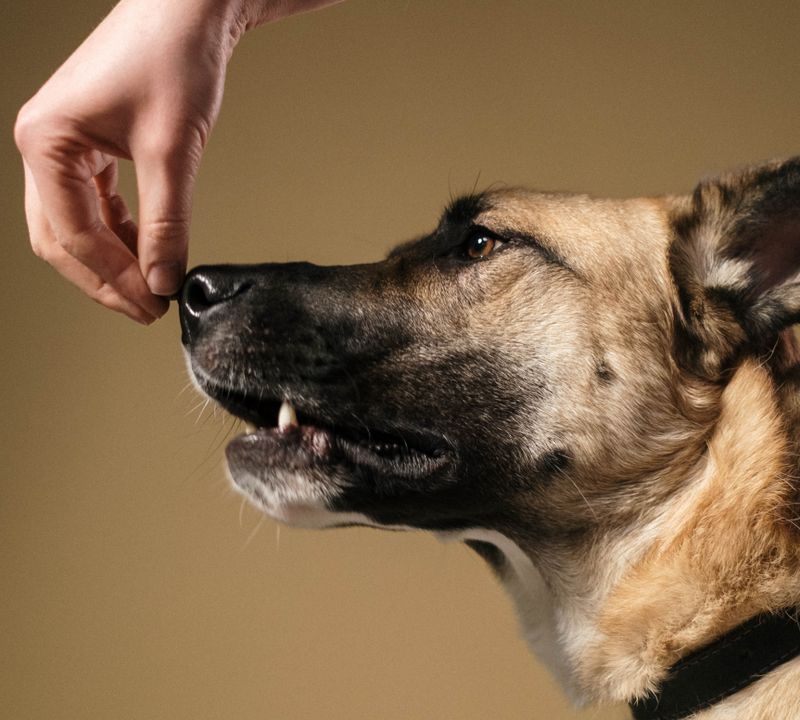
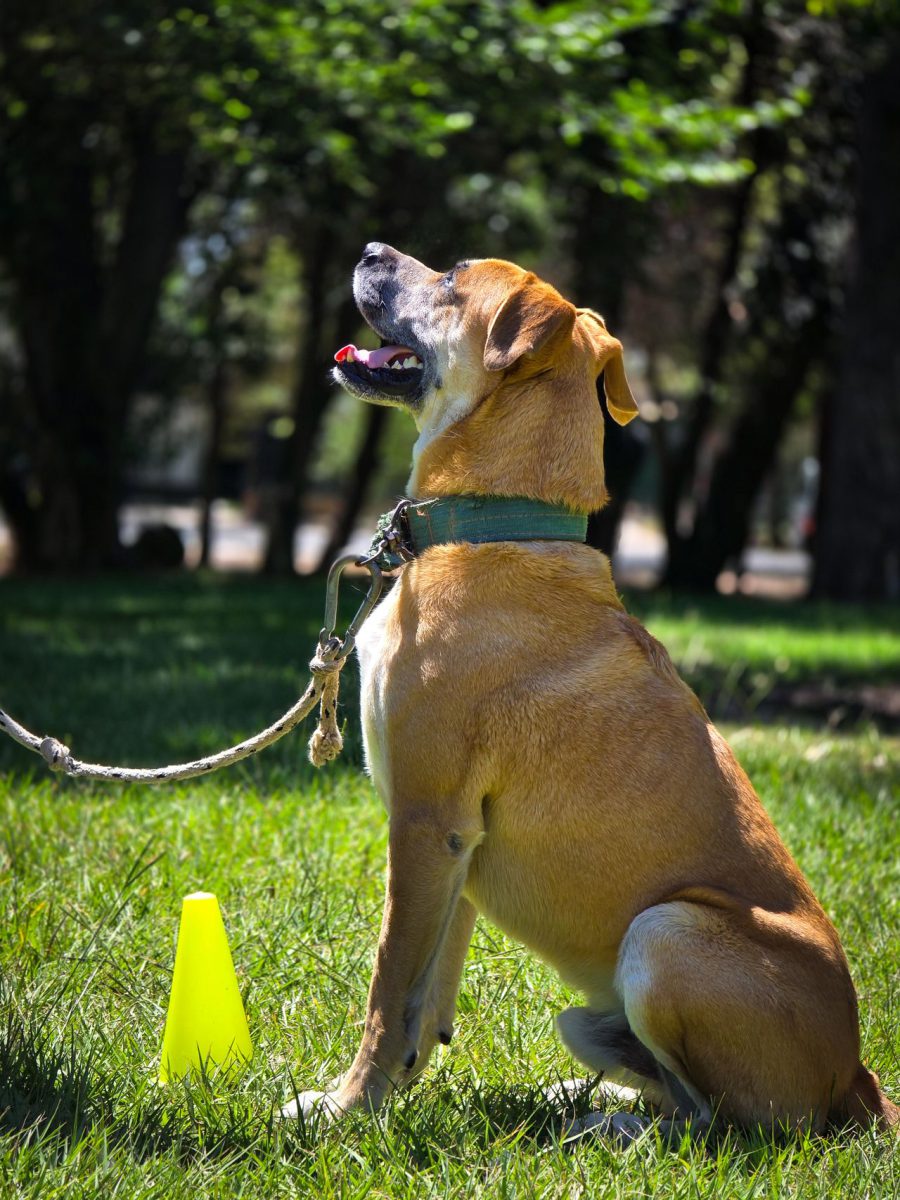
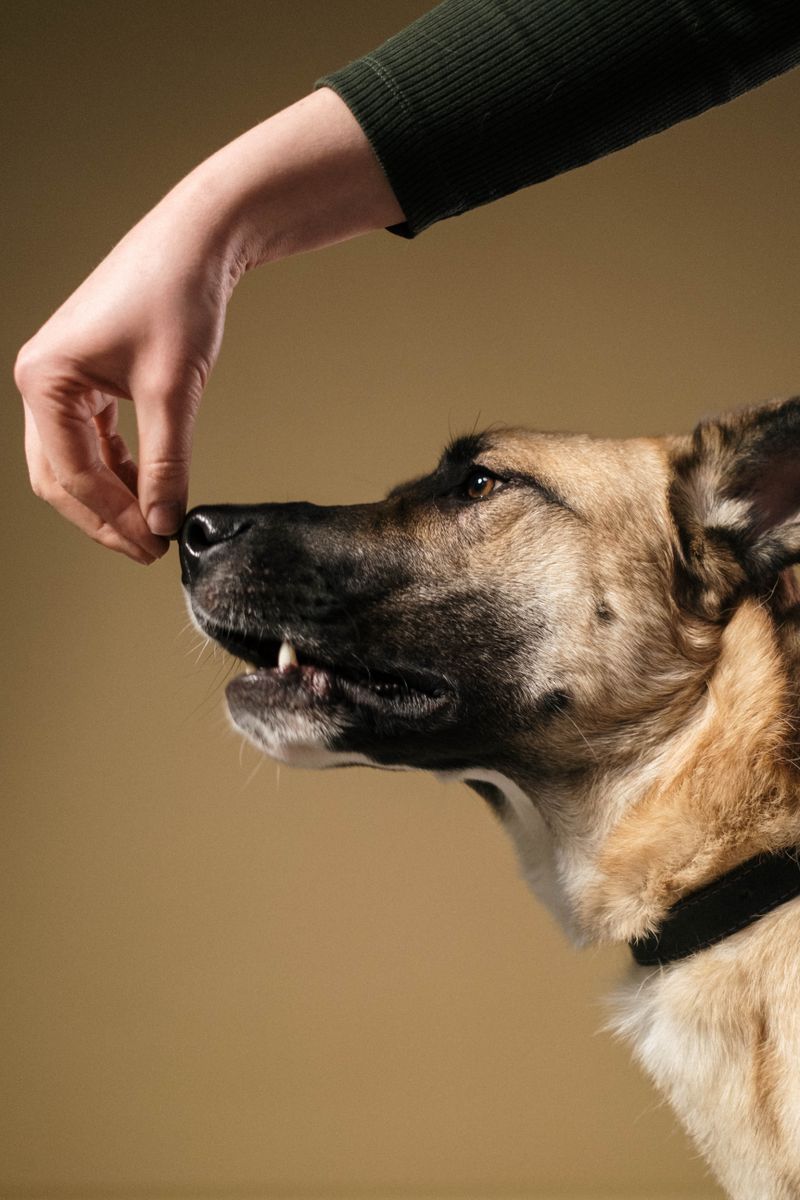
Training starts with scent imprinting that builds a clear understanding of target compounds. Dogs learn to associate correct detection with reward-based reinforcement, which strengthens focus over time. Handlers introduce controlled search scenarios that replicate operational environments. Discipline shapes every stage of development because inconsistency reduces reliability in the field. Dogs and handlers train together daily, which builds communication and trust that supports fast decision-making. Re-certification ensures standards remain aligned with operational requirements. Work environments often include heat, noise, and unpredictable movement, so conditioning prepares dogs to maintain focus under stress. Handlers also adjust pacing and recovery to prevent fatigue from affecting detection performance.
Where Detection Dogs Deliver Operational Value
Detection dogs perform best in environments that require fast and adaptable screening. They move through spaces quickly while maintaining accuracy in detection tasks. Additionally, their presence supports security visibility, which reduces risk before incidents occur. They operate in transport hubs, industrial sites, event venues, and border control zones where rapid response matters. Technology supports these operations, and dogs provide flexibility that static systems cannot match.
Field Support and Operational Readiness
Detection work depends on more than training alone. Handlers, equipment, and operational structure all influence performance in the field. Clothing and gear support movement and durability, which allows handlers to operate effectively during long shifts. Operational readiness focuses on function and reliability rather than appearance. Teams work with purpose because precision depends on preparation. Explosive detection dogs bring control to unpredictable environments. They work with focus, respond with accuracy, and support security teams where pressure is highest.