
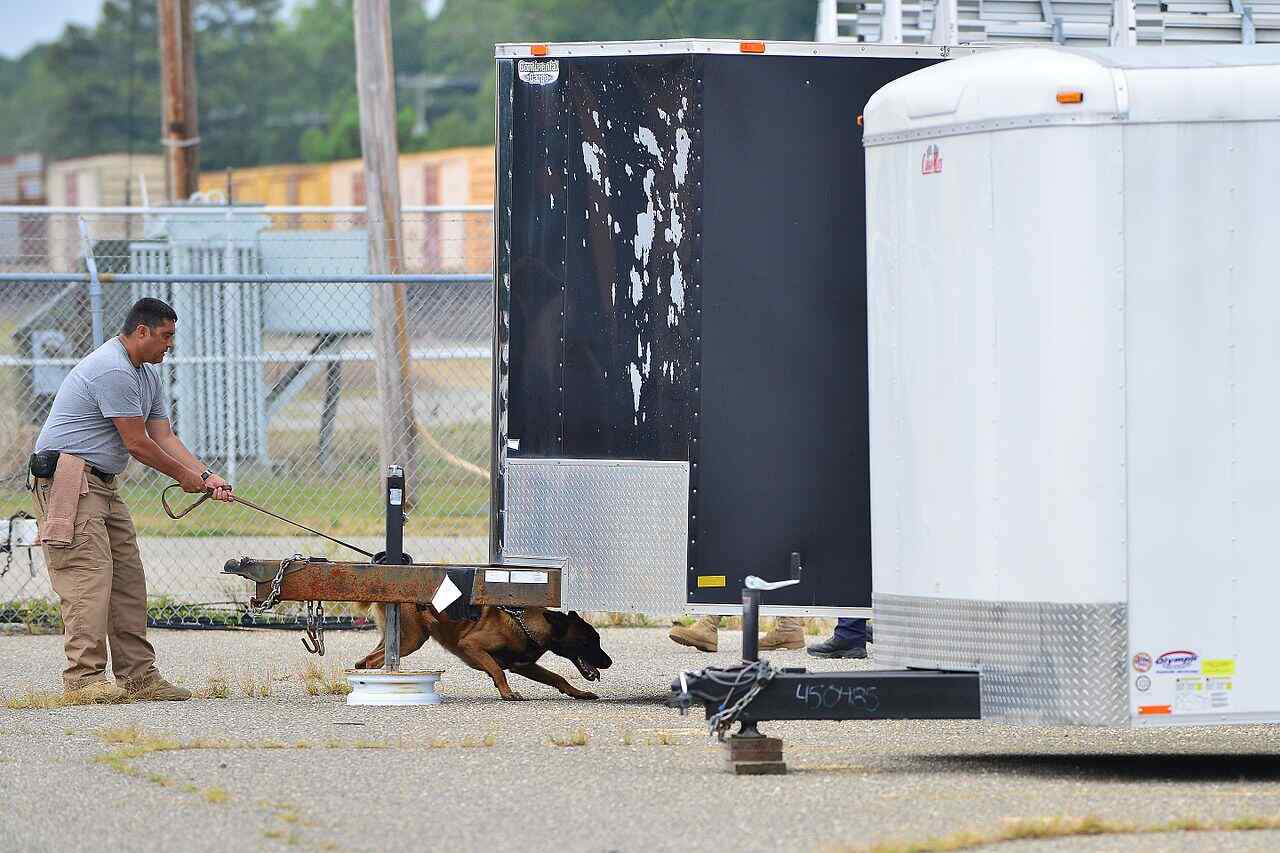
Across South Africa, dog units play an important role in guarding warehouses, estates, farms, and construction sites. Their effectiveness depends not only on the dog but on the skill of the handler. This is why security companies invest in proper dog handler training before deploying teams in the field. Proper training ensures handlers meet legal requirements, maintain control of their dogs, and operate safely in public and private environments.
Compliance with South African Security Regulations
Security companies operating in South Africa must comply with regulations set by the Private Security Industry Regulatory Authority (PSIRA). These regulations require security personnel, including dog handlers, to meet specific training and registration standards. Training ensures handlers understand their legal responsibilities, correct procedures, and the limits of force when working with a security dog.
Proper Control of Security Dogs
Security dogs are powerful working animals trained for patrol, detection, and deterrence. Handler training teaches professionals how to issue commands correctly, control the dog during patrols, and manage the animal in unpredictable environments. With proper instruction, handlers maintain authority and prevent situations where a dog could react incorrectly.
Public Safety and Liability
Security dog units often operate in areas where members of the public are present, including residential estates, industrial sites, and events. Training prepares handlers to assess situations carefully and deploy the dog responsibly. This reduces the risk of injury, protects the public, and limits liability for the security company and the client.
Effective Crime Prevention
South Africa faces significant security challenges, particularly in high-risk environments such as warehouses, farms, and construction sites. Well-trained dog handlers understand search techniques, patrol patterns, and threat identification. These skills allow dog units to detect intruders faster and act as a strong deterrent against criminal activity.
Building a Reliable Handler–Dog Partnership
A security dog performs best when it trusts and understands its handler. Training strengthens this working relationship through structured exercises and consistent command techniques. Over time, the handler learns how the dog responds under pressure, which improves coordination during real security operations.
Final Thoughts
When handlers are properly trained, dog units become safer, more effective, and far more reliable in the field. That is ultimately why security companies commit to structured training programmes. Skilled handlers maintain control, comply with regulations, and ensure security dogs operate safely in South African environments.