Why Obedience Training Is Important for Every Dog
September 30, 2026
Buying a trained K9 is different from buying a puppy. You’re paying for a dog with an established temperament, specific training and habits built around a particular handler. Before you buy, you need to understand what the dog can actually do, how much of its training you’ll need to maintain and whether it can adapt to your home.
Can the Dog Work With You?
A protection dog may respond well to its trainer but behave differently with someone unfamiliar. Ask to handle the dog yourself under the trainer’s supervision. Does it respond to your commands, or keep looking to its trainer for direction? This is important because you’ll be responsible for handling the dog once it leaves the training environment, and you need to know how much work will be involved in building that relationship.
What Does Its Training Actually Include?
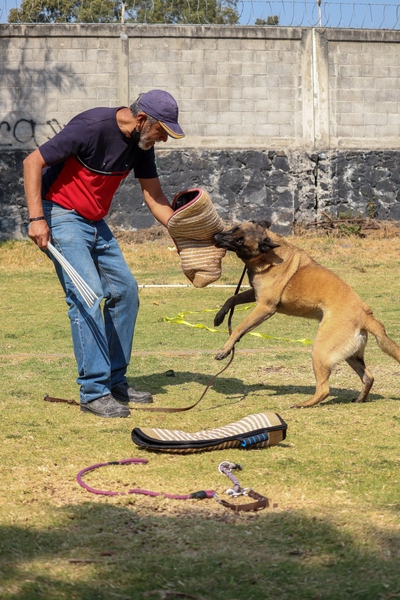
Ask for specifics rather than accepting a general claim that the dog is fully trained. Find out which obedience commands it knows, how reliably it responds around distractions and what its protection training involves. Ask how it responds when told to stop or disengage. A demonstration should show control as well as the ability to act. A dog that performs impressively but doesn’t reliably respond to its handler may be difficult to manage in everyday situations.
Has It Been Assessed for Your Circumstances?
A dog accustomed to working with one handler in a controlled setting may have limited experience with children, other dogs, household visitors or the daily activity around your property. Explain your circumstances to the seller and ask which situations the dog has encountered during training. If you have other pets, for example, ask specifically how the dog has been assessed around them. A calm response during one meeting doesn’t guarantee the same behaviour in every situation.
What Will Be Needed After the Purchase?
Find out what equipment, feeding routine and commands the dog is accustomed to, and whether the purchase includes handover training or follow-up support. Changing handlers, surroundings and routines at once can make the transition harder. You’ll need to know how to maintain the dog’s existing training, what adjustments to expect and whom to contact if problems arise. Ask about ongoing training costs as well, since these can add considerably to the initial purchase price.
Check the Dog, Not Just the Sales Pitch
Ask for available veterinary records, details of any medication and an honest account of previous health or behavioural problems. Have an independent veterinarian assess the dog’s health before finalising the purchase. The seller should also be able to explain the dog’s training history and demonstrate its claimed abilities. A K9’s value lies in more than what it can do during a demonstration. You need to understand its capabilities, limitations and ongoing needs before deciding whether it’s the right dog for you.